
Home > News
So far, research on polyanion cathode materials has mostly focused on vanadium based and iron-based compounds. Iron based polyanion cathode materials have become a research hotspot in academia and industry due to their environmentally friendly, low-cost, and structurally stable characteristics. Among them, the composite iron phosphate sodium Na4Fe3 (PO4) 2P2O7 (hereinafter referred to as NFPP) has a long cycle life, excellent high and low temperature performance, strong thermal stability, and low cost, making it an ideal positive electrode material for large-scale energy storage applications. In the future, with breakthroughs in technology and preparation processes, as well as the driving force of exemplary energy storage projects, its industrialization is expected to accelerate.
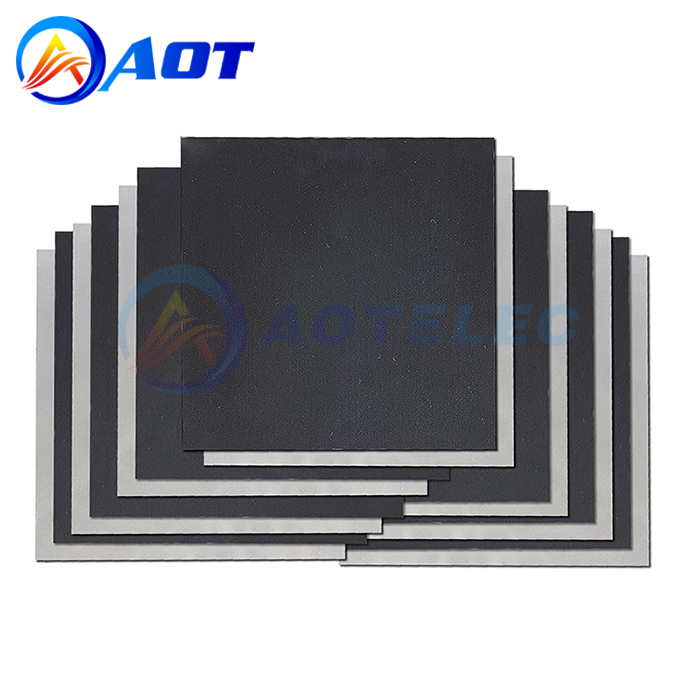
In the iron-based polyanion family, composite sodium iron phosphate (NFPP) has an open framework with large tunnels, small volume changes during charge and discharge processes, and a theoretical specific capacity of up to 129mAh g-1. It combines the advantages of phosphate and pyrophosphate and is considered the most attractive member. However, the practical application of NFPP is still in its infancy, mainly hindered by poor intrinsic electronic conductivity.
Characteristics of Compound Sodium Iron Phosphate
Electrochemical stability
NFPP has high structural reversibility, which can effectively suppress structural collapse or phase transition during battery charging and discharging processes. The volume effect during charging and discharging is less than 5%, and it can work stably in a wide voltage range, effectively reducing electrode material breakage and failure, and extending the cycle life of the battery.
Thermal stability
Compared to other positive electrode materials, NFPP has higher thermal stability. Ensuring the safety of the battery under extreme temperature conditions and reducing the risk of overheating induced thermal runaway reactions.
Cyclic performance
Due to its stable covalent bond structure (phosphate and pyrophosphate), NFPP materials can maintain high capacity and efficiency during long-term cyclic use, exhibiting excellent cycling stability.
Environmental impact and cost-effectiveness
Due to the abundant and widely distributed sodium resources, the production and application of NFPP have a smaller impact on the environment compared to battery materials based on rare or harmful heavy metals, and may demonstrate higher cost-effectiveness in the long term.
Synthesis and Processing Challenges
The main technical difficulties of NFPP are poor native electronic conductivity and poor high rate performance; During the synthesis process, it is difficult to obtain pure phases (materials with high purity, high crystallinity, and uniform particle size), and there is an inert iron phosphate sodium impurity phase, which provides further room for improvement in specific capacity; The cost needs to be reduced.
An important direction of current research is to improve the conductivity and ion diffusion rate of NFPP through various strategies. For example, by doping other metal elements such as manganese, cobalt, or nickel to improve its conductivity and electrochemical performance. Secondly, surface modification or coating of carbon materials can effectively reduce the interfacial impedance of the material, thereby enhancing its battery performance. In addition, improving the electronic and ionic conductivity while maintaining the chemical stability and structural integrity of the material is another research hotspot.
The best application scenario for NFPP is still energy storage, such as small storage, household storage, outdoor base station energy storage, photovoltaic energy storage, etc; Of course, some low-speed cars and two wheeled vehicles that do not require high endurance mileage are also suitable; At the same time, some scenarios with high security requirements, such as airport sweepers, are also good choices.
Contact: Lika
Phone: +86-19906035385
Tel: 0086-592-7161550
Email: sales@aotbattery.com
Add: No.168, Zhaogang Road, Xiamen City, China
 1173116801
 sales@aotbattery.com