
Home > News
Against the backdrop of accelerating global energy transition and continuous upgrading of the new energy industry, high-performance and high-safety energy storage materials have become the core driving force for technological innovation in lithium-ion batteries. Recently, LLZO solid electrolyte materials designed for lithium-ion batteries have been successfully scaled up for production and commercialization. With outstanding ionic conductivity, chemical stability, and high-temperature sintering properties, these materials provide critical material support for the industrialization of solid-state lithium batteries, marking a major breakthrough in core solid electrolyte materials in the field.
Conventional liquid lithium-ion batteries are gradually approaching their theoretical limits in energy density, cycle life, and safety performance. Safety hazards such as thermal runaway, electrolyte leakage, and fire risks restrict the high-end development of electric vehicles, grid-scale energy storage, consumer electronics, and other sectors. All-solid-state lithium batteries replace organic liquid electrolytes with solid electrolytes, fundamentally resolving the safety pain points of liquid batteries. Meanwhile, they can be paired with lithium metal anodes to more than double energy density compared with current batteries, and are widely recognized as the core direction of next-generation energy storage technologies. The performance of solid electrolyte materials directly determines the industrialization progress of all-solid-state batteries.
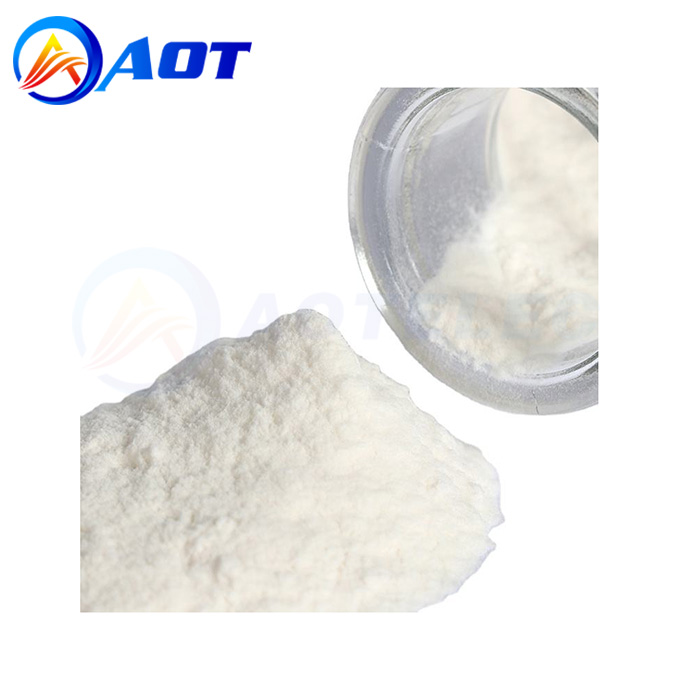
The newly launched LLZO powder electrolyte has a chemical formula of Li₇La₃Zr₂O₁₂, making it one of the most promising oxide solid electrolytes for industrialization. Prepared through precise synthetic processes, the material achieves a purity of 99.9%, effectively minimizing the interference of impurity ions on ion transport and maintaining a stable electrochemical environment inside the battery. The particle size is controlled at 5–8 μm, featuring uniform distribution, excellent dispersibility, and formability. It is compatible with both dry pressing and scalable manufacturing processes such as tape casting and coating, reducing production line retrofitting costs for battery manufacturers and enabling rapid integration with existing production lines.
In terms of crystal structure, this LLZO material adopts a cubic phase configuration, which is essential for high ionic conductivity. Compared with tetragonal-phase LLZO, the cubic phase offers more open lithium-ion transport channels and significantly lowers migration resistance. Professional testing confirms its room-temperature ionic conductivity reaches 5×10⁻⁴ S/cm, ranking among international advanced levels. It satisfies the fast-charging and -discharging requirements of solid-state batteries at room temperature, effectively addressing industry-wide challenges such as low ionic conductivity and excessive interface impedance in conventional oxide electrolytes.
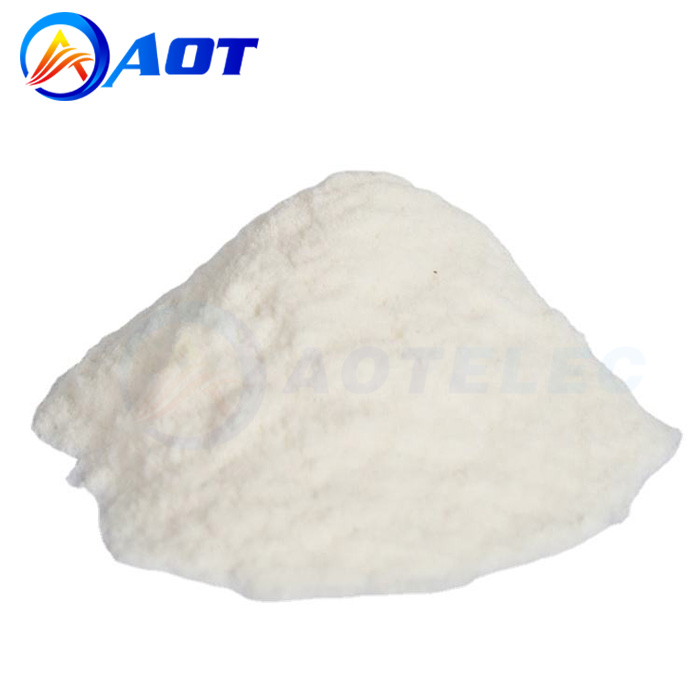
High-temperature stability is a key indicator for solid electrolytes in scalable battery production. This LLZO material has a sintering point of approximately 1000°C with a suitable sintering window. It retains intact crystal structure without decomposition, phase transition, or element volatilization at high temperatures, enabling favorable co-sintering with cathode and anode materials to form dense and stable solid–solid interfaces. This reduces interfacial voids and resistance, enhancing overall cycle stability and mechanical strength of the battery.
Geared for lithium-ion solid-state batteries, LLZO solid electrolyte materials are widely applicable to power cells for electric vehicles, large-scale grid energy storage systems, high-end consumer electronics, aerospace special power supplies, and other fields. In electric vehicles, solid-state batteries equipped with this material enable fast charging, ultra-long cycle life, and reliable high-temperature safety performance, supporting carmakers to develop next-generation electric models with over 1,000 km of range and uncompromised safety. In energy storage, its high stability and long service life reduce operation and maintenance costs and improve energy efficiency. In consumer electronics, it enables slimmer designs, larger battery capacities, and higher safety for smartphones, laptops, and wearable devices.
Compared with sulfide and polymer solid electrolytes, LLZO oxide electrolytes offer distinct comprehensive advantages: excellent chemical stability, no violent reactions with air or moisture, more relaxed production, storage, and transportation conditions, and greatly reduced industrialization risks; high mechanical strength that effectively suppresses lithium dendrite growth, solving a key bottleneck for lithium metal anode batteries; wide electrochemical window compatible with high-voltage cathode materials to further boost battery energy density. The launch of this high-purity, high-conductivity LLZO powder fills a key gap in the large-scale application of oxide solid electrolytes.
In manufacturing, the material undergoes full-process precise control including accurate elemental stoichiometry, low-temperature pretreatment, high-temperature solid-state synthesis, and graded crushing and sieving, ensuring batch-to-batch consistency. Packaged at 100g per bottle, it supports R&D for research institutions as well as pilot-scale and mass production for battery manufacturers, forming a full-chain service from R&D and pilot trials to mass production.
Industry experts note that solid-state batteries represent a core competitive arena in the new energy sector, with electrolyte materials standing as a critical bottleneck. The maturation and commercialization of LLZO solid electrolytes end reliance on imported high-end solid electrolytes and lay a solid foundation for moving all-solid-state lithium batteries from labs to industrialization. With continuous performance optimization, falling production costs, and improved industrial supporting facilities, LLZO solid electrolytes will accelerate penetration into the power battery and energy storage markets, driving the global lithium battery industry from the liquid era into the solid-state era.
Moving forward, the R&D team will focus on LLZO modification, interface engineering, and low-cost scalable production technologies to further enhance ionic conductivity, lower sintering temperatures, and expand application scenarios. Collaboration with battery manufacturers and research institutes will foster an innovation ecosystem, driving sustained breakthroughs in key solid-state battery materials and technologies. These efforts will deliver stronger material support for global energy transition and carbon neutrality goals. Amid rapid iteration of new energy technologies, LLZO solid electrolyte materials will lead the lithium battery industry toward a safer, more efficient, and more sustainable future with superior performance and innovative value.
Contact: Lika
Phone: +86-19906035385
Tel: 0086-592-7161550
Email: sales@aotbattery.com
Add: No.168, Zhaogang Road, Xiamen City, China
 1173116801
 sales@aotbattery.com