
Home > News
Metal foils are fundamental substrates and current collectors across coin cells, pouch cells and three-electrode electrochemical tests in battery laboratories. The most widely adopted variants include copper (Cu) foil,aluminum (Al) foil, nickel (Ni) foil, titanium (Ti) foil and stainless steel (SS) foil. Their core mission is to collect and conduct electrons from active electrode materials, maintain stable interfacial contact, and resist electrochemical corrosion within matched electrolyte and voltage windows. Improper foil selection will introduce parasitic reactions, extra interfacial impedance and misleading test data, which severely distorts electrochemical characterization results.
Copper foil is the standard anode current collector for lithium-ion and lithium-metal battery research. It features ultra-high electrical conductivity and stable performance at low reduction potentials. Researchers coat graphite, silicon, tin or lithium-host composite slurries onto cleaned Cu foil to fabricate working anodes. It supports lithium plating/stripping tests in ether and carbonate electrolytes. However, Cu suffers oxidation at potentials above 3.8 V vs Li/Li⁺ and corrodes in aqueous acidic electrolytes, so it must never be used as cathode substrate. Lab-grade Cu foil usually receives degreasing and plasma cleaning before coating to remove surface oil and native oxide layers.
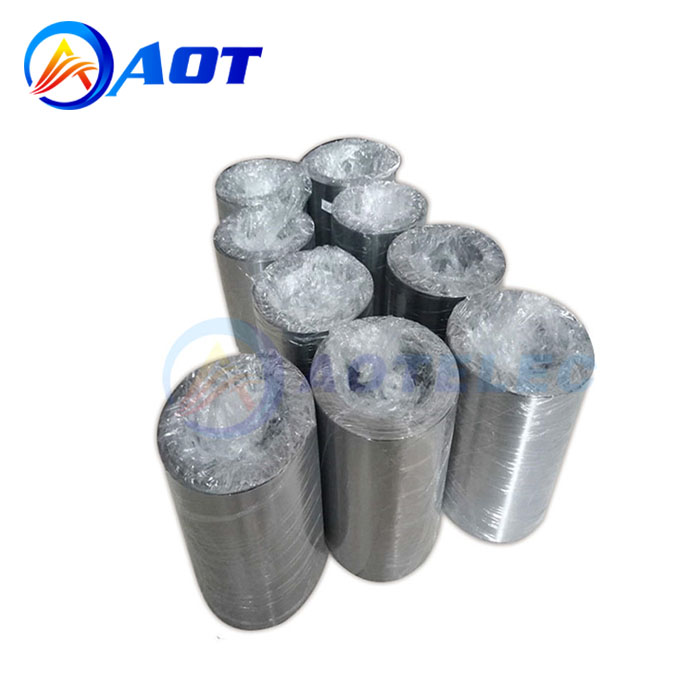
Aluminum Foil serves as the mainstream cathode current collector for lithium-ion batteries. A dense, self-limiting passivation film forms on its surface in carbonate electrolytes containing fluorine salts, preventing continuous corrosion at high oxidation potentials. It is lightweight and cost-effective for coating NCM, LFP, NCA and high-voltage oxide cathode materials. Its major limitation is instability at low potentials; aluminum will alloy with lithium below 0.3 V vs Li/Li⁺, causing foil cracking and rapid capacity decay, which disqualifies it from anode use. High-purity thin Al foil is preferred for high-voltage cathode screening experiments.
Nickel foil exhibits excellent stability in alkaline electrolytes, solid-state electrolytes and moderate-potential non-aqueous systems. It is widely used for nickel-metal hydride batteries, aqueous alkaline cells and all-solid battery test assemblies. Ni foil also acts as counter electrode substrate and substrate for sulfur cathode studies. It resists oxidation better than copper under moderately high potentials and retains mechanical integrity after repeated cycling. It is a common choice when neither Cu nor Al satisfies the electrochemical window requirement.
Titanium foil stands out for outstanding corrosion resistance in acidic aqueous electrolytes, zinc-ion electrolytes and high-voltage harsh environments. Its native TiO₂ passive layer is chemically inert against most corrosive salt solutions. In zinc battery and aqueous energy storage research, Ti foil is frequently used as working electrode substrate and reference electrode holder. It tolerates a broad potential window and avoids heavy parasitic corrosion that plagues Cu and Al foils in acidic media. The drawback is relatively higher material cost and slightly higher intrinsic resistance.
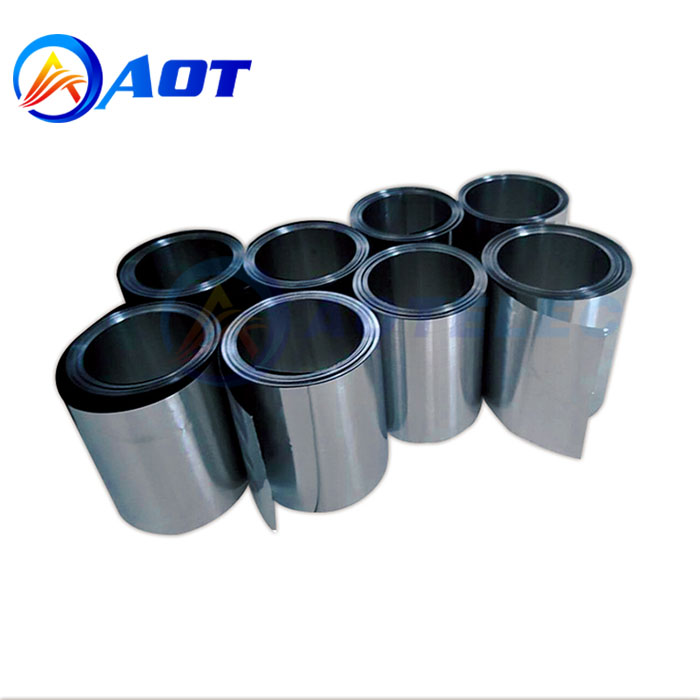
Stainless steel foil (typically 316L) is a versatile general-purpose experimental foil. It combines low cost, robust mechanical strength and fair chemical stability. It is commonly applied as spacer, shell substrate, counter electrode and temporary carrier for exploratory tests, such as preliminary screening of new electrolyte formulations and exotic electrode chemistries. Nevertheless, stainless steel contains iron, chromium and nickel alloy components; metal ion leaching may occur under extreme voltage or strongly corrosive electrolytes, so it is not recommended for high-precision quantitative cycling tests unless validated by control experiments.
Beyond current collection, these foils undertake auxiliary experimental roles: supporting thin-film electrode deposition, acting as substrate for in-situ microscopic observation, providing mechanical support for brittle solid electrolyte sheets, and serving as conductive tabs for cell assembly. Surface pretreatment is critical in all lab workflows: solvent rinsing, ultrasonic cleaning, heat treatment or plasma activation are standard steps to reduce interfacial resistance. The selection principle depends on battery chemistry, operating voltage range, electrolyte acidity and test precision requirement. Matching the correct metal foil eliminates unwanted side reactions and guarantees repeatable, reliable electrochemical data in battery research.
Contact: Lika
Phone: +86-19906035385
Tel: 0086-592-7161550
Email: sales@aotbattery.com
Add: No.168, Zhaogang Road, Xiamen City, China
 1173116801
 sales@aotbattery.com