
Home > News
As the new energy industry expands rapidly into alpine and cold regions, capacity degradation at low temperatures has long remained a formidable technical hurdle for batteries. Conventional lithium-ion batteries typically lose more than 30% of their capacity at -20°C. Sodium Iron Phosphorus Pyrophosphate (NFPP), a cathode material drawing strong industrial attention recently, leverages its distinctive intrinsic mechanism to retain 90% capacity even at the extreme low temperature of -40°C, unlocking new possibilities for energy storage and power applications in cold climates.
Short for Sodium Iron Phosphorus Pyrophosphate, NFPP is a polyanionic sodium-ion cathode material composed of abundantly available, low-cost elements including iron, phosphorus and sodium. It inherently avoids supply risks and price volatility associated with lithium, cobalt and nickel resources. Its crystal features an open three-dimensional framework that enables free intercalation and deintercalation of sodium ions within the channel network. This robust structure delivers excellent thermal stability and supports a cycle life exceeding 4,000 cycles, far outperforming the requirements of most consumer batteries.
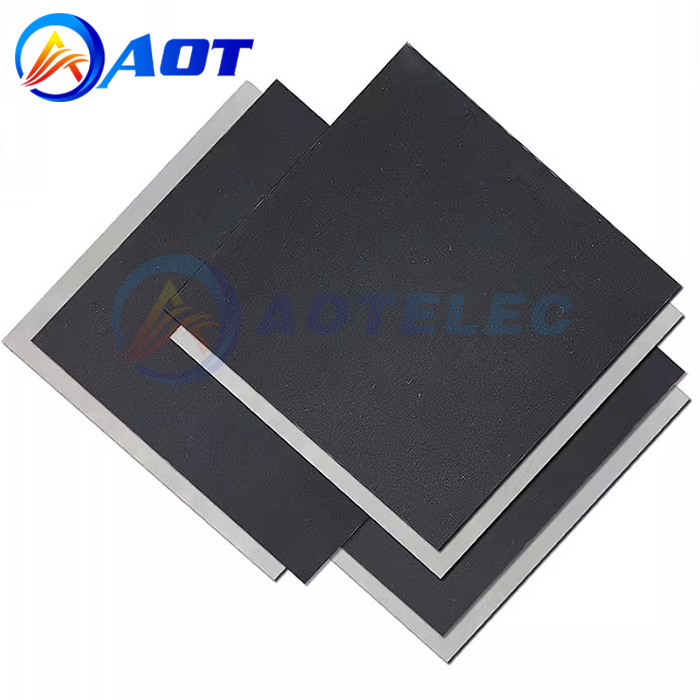
The root of its superior low-temperature performance lies in the ionic transport kinetics and interfacial characteristics of the material. At -40°C, most electrode materials effectively “freeze up” as electrolyte viscosity surges and ion diffusion is blocked. By contrast, the polyanionic structure of NFPP tolerates a higher intrinsic migration energy barrier for sodium ions. When paired with an electrolyte system compatible with a wide temperature range, sodium ion deintercalation and intercalation proceed smoothly even under frigid conditions. Meanwhile, the stable solid electrolyte interphase (SEI) film formed on the material surface resists cracking and excessive thickening at low temperatures, preventing sharp rises in impedance — this is the core reason for its 90% capacity retention.
From an industrialization perspective, NFPP represents one of the leading pathways for the commercialization of sodium-ion batteries. The year 2026 is widely recognized by the industry as the first year of mass production for NFPP. As production lines of leading enterprises come online, this material is projected to capture more than 80% of the sodium-ion cathode market share. Nevertheless, NFPP has a clear drawback: relatively low energy density. Its compaction density is inferior to that of lithium iron phosphate, so it cannot yet meet the long-range driving demands of high-end passenger vehicles. Accordingly, its primary application scenarios are well defined: large-scale energy storage stations, backup power for communication base stations, low-speed electric vehicles and two-wheelers — use cases that are less sensitive to volumetric energy density while prioritizing safety and whole-life-cycle cost.
Industry analysts anticipate that with the construction of large-scale wind and solar energy storage bases in cold regions gathering pace, NFPP — combining outstanding low-temperature tolerance, intrinsic safety and cost advantages — will serve as a pivotal enabler for sodium-ion batteries to evolve from an alternative technology into a mainstream, large-scale power solution.
Contact: Lika
Phone: +86-19906035385
Tel: 0086-592-7161550
Email: sales@aotbattery.com
Add: No.168, Zhaogang Road, Xiamen City, China
 1173116801
 sales@aotbattery.com