
Home > News
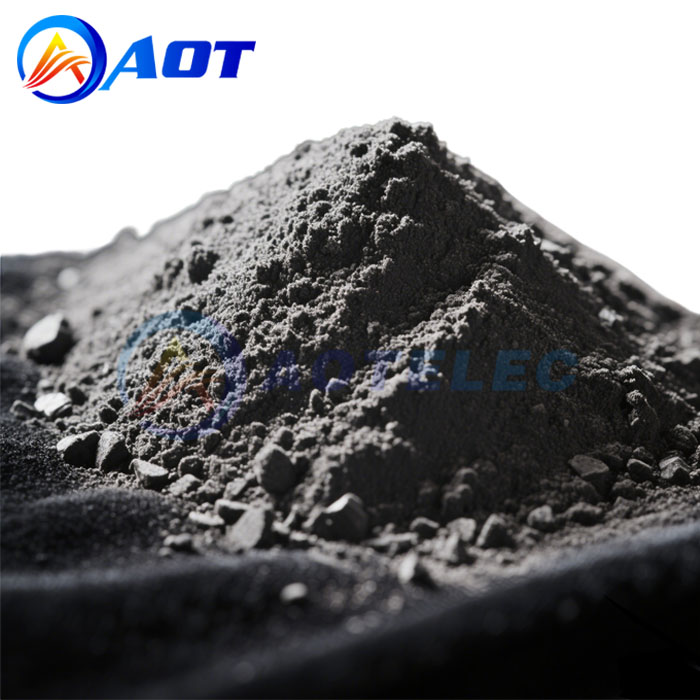
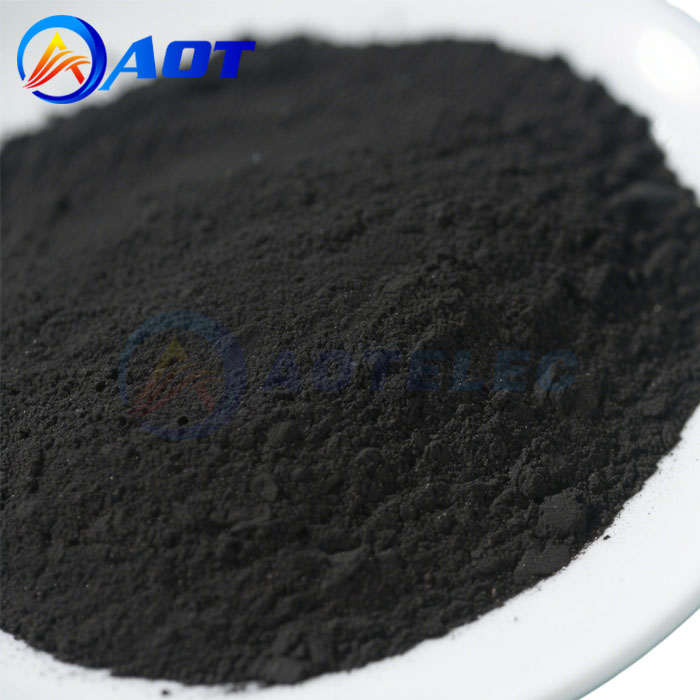
This Kuraray Activated Carbon Powder YP-50F is a microporous carbon material processed through specialized techniques, featuring an extremely high specific surface area and strong adsorption capacity. It is typically produced by high-temperature carbonization and activation of raw materials such as coconut shells, coal, or wood, serving as a key functional material widely used in energy, environmental protection, and industrial fields.
Main features and advantages
Ultra high specific surface area: The YP-50F internal pore structure is extremely developed, providing a huge adsorption surface, which is the physical basis for efficient adsorption.
Excellent adsorption performance: It can effectively adsorb organic matter, pigments, odor molecules, and some metal ions in liquids or gases.
High chemical stability: acid and alkali resistant, with stable performance in various environments.
Good conductivity: When used as an electrode material for batteries or supercapacitors, it can provide an effective charge transfer channel.
Purity controllable: According to application requirements, powders of different purity levels can be produced with low ash and impurity content.
Uniform particle size distribution: Different mesh sizes (such as 200 mesh, 325 mesh, etc.) of powder can be provided according to customer requirements to meet diverse process requirements.
Key points of electrode preparation process
Slurry formulation and dispersion: The core technology is to uniformly disperse activated carbon powder, conductive agents (such as Super P), and binders (such as PTFE or CMC/SBR). The high specific surface area of activated carbon can adsorb a large amount of solvents and binders, requiring optimization of formula ratios and dispersion processes (such as using planetary mixers).
Coating and drying: The rheological properties and solid content of the slurry directly affect the coating uniformity and electrode density. The drying process requires controlling the heating curve to avoid cracking and pore closure.
Roll pressing: Pressure control is crucial. Low pressure, loose electrodes, and low volumetric energy density; Excessive pressure can crush the microporous structure, resulting in loss of specific surface area and rate performance.
Future Perspectives and Development Trends
Evolution of Industry Demand
Higher energy density: driving market demand for ultra-high specific surface area (>3000 m ²/g) and graded porous structure activated carbon.
A wider operating temperature range: higher requirements are placed on the pore wettability and chemical stability of activated carbon at extreme temperatures (-40°C to 85°C).
Emerging application drivers, such as energy storage grids and brake energy recovery for electric vehicles, require activated carbon to have both high power and long lifespan, driving in-depth research on material durability.
Typical application areas
Energy storage:
Supercapacitor electrode material: Utilizing its high specific surface area and conductivity, it is a key material for manufacturing double-layer capacitors (EDLC).
battery materials: YP-50F can be used for lead-acid batteries, lithium sulfur batteries, etc., as conductive additives or functional carriers.
Environmental protection:
Water treatment: used for purifying drinking water and industrial wastewater, removing organic matter, pigments, and odors.
Air purification: used for exhaust gas treatment, air filters, adsorption of harmful gases such as VOCs and formaldehyde.
Desulfurization and denitrification: used as a catalyst carrier or adsorbent in flue gas treatment.
Industrial production:
Catalyst carrier: provides a highly dispersed loading platform for precious metals or other catalysts.
Food and pharmaceutical industry: used for decolorization and refining of sugar solutions and drugs.
Solvent recovery: Adsorption and recovery of organic solvents in industrial production.
Contact: Lika
Phone: +86-19906035385
Tel: 0086-592-7161550
Email: sales@aotbattery.com
Add: No.168, Zhaogang Road, Xiamen City, China
 1173116801
 sales@aotbattery.com