
Home > News
In high-end industrial applications such as sodium-ion battery development, fine chemical synthesis, and metal heat treatment, the purity, stability, and compatibility of raw materials directly determine the yield and performance ceiling of end products. Sodium Metal Chips, as a high-purity solid-state processed form of sodium, differ from conventional sodium blocks or granules by offering a uniform sheet structure, consistent physicochemical properties, and extremely low impurity content, making them a core raw material in new energy research, precision chemistry, and advanced manufacturing. Compared to traditional sodium sources, high-quality sodium metal chips effectively address industry pain points such as unstable reactions, significant experimental errors, and rapid equipment wear, making them ideal for high-precision, high-stability industrial and scientific applications.
1. Core Application Scenarios: Precise Fit for High-End Industrial and Research Environments
Unlike the coarse application of standard industrial-grade sodium, high-purity sodium metal chips are designed for precise, high-accuracy operations, maintaining stable performance under demanding conditions. Their practical applications span three key areas.
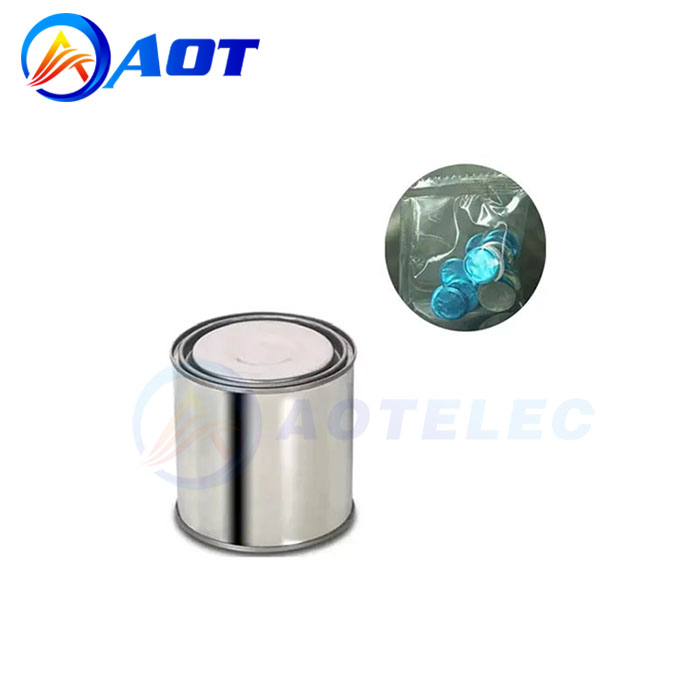
In sodium-ion battery research and small-scale pilot production, conventional sodium anode materials often suffer from uneven thickness, surface oxidation, and edge burrs, which can easily puncture separators during coin cell assembly, leading to failed experiments and data inaccuracies. Standardized sodium metal chips, produced via precision cutting, consistently deliver common dimensions such as 15.6mm × 0.45mm—eliminating the need for secondary cutting—and fit directly into mainstream coin cell casings like CR2032 and CR2025. In laboratory tests involving 30 days of continuous charge-discharge cycles and long-term ambient storage, the surface oxide layer thickness remains below 0.02mm, precisely compensating for irreversible capacity loss during the first cycle of the anode. This improves the initial coulombic efficiency of batteries by 3%–5%, completely eliminating variability caused by manual cutting and significantly enhancing the accuracy and reproducibility of research data.
In fine chemical synthesis, sodium metal chips serve as essential reagents in Birch reduction and Wurtz coupling reactions. Coarse sodium blocks, due to inconsistent melting rates and high impurity levels, often lead to reduced reaction selectivity and increased byproducts. In contrast, 99.9% pure sodium metal chips contain less than 0.05% impurities, with their flat structure enabling uniform heating and controlled reaction rates. Under continuous eight-hour isothermal synthesis conditions, conversion rates remain stably above 98%, effectively reducing waste and lowering production costs.
In metal heat treatment and sodium lamp manufacturing, sodium metal chips leverage their stable melting point (97.8°C), high thermal conductivity, and low viscosity to suit molten sodium tempering processes for steel. During sustained heat treatment between 100°C and 300°C, they ensure even and steady heat transfer, keeping tempering hardness deviations within ±1HRC and greatly improving machining precision. Additionally, free from impurity析出, high-purity sodium metal chips serve as the core material for high- and low-pressure sodium lamps, ensuring excellent light transmission and extended service life—ideal for outdoor lighting systems in airports, highways, and ports.
2. Product Comparison Analysis: Sodium Metal Chips vs. Ordinary Sodium Blocks/Granules
Many customers confuse the appropriate use cases for sodium metal chips, ordinary sodium blocks, and sodium granules, and haphazard selection often leads to experimental failure or excessive production losses. Below is an objective comparison across key dimensions to guide accurate product selection and avoid procurement pitfalls.
Regarding precision and experimental stability, ordinary sodium blocks lack standardized dimensions and require manual cutting, resulting in burrs and oxidation contamination on cut surfaces. Each experiment uses inconsistently sized material, compromising data repeatability. Sodium granules vary in particle size and melt at uneven rates. In contrast, standardized sodium metal chips offer uniform dimensions and consistent thickness, with surface passivation treatment that eliminates burrs and large-scale oxidation. They completely eliminate human-induced processing errors, making them the optimal choice for high-precision battery research and sophisticated synthetic experiments. In terms of safety and loss rate, conventional sodium blocks react vigorously with air and moisture. During manual cutting, they easily generate debris, posing high risks of spontaneous combustion and moisture absorption. Storage and handling losses can reach 8%–12%. In contrast, sodium metal sheets are sealed and immersed in oil, with a protective surface layer that isolates them from water vapor and air. They show no significant oxidation when opened and used within two hours at room temperature, keeping operational loss below 2%, significantly reducing safety hazards in industrial production and scientific research.
Regarding application scenarios and cost-effectiveness, ordinary sodium blocks and granules are suitable only for large-scale, low-precision chemical reactions and basic heat treatment processes. Although their unit price is low, overall loss rates are high. Sodium metal sheets, on the other hand, are designed for high-precision, demanding applications. While initial procurement costs are slightly higher, their extremely low experimental waste rate and consistent reaction performance result in superior long-term cost-efficiency compared to standard sodium materials, making them an essential choice for advanced research and precision manufacturing.
3. Key Questions Answered
Based on frequent inquiries from exhibitions, international trade emails, and online consultations, we have compiled the most pressing industry concerns and provide comprehensive answers to address customer questions regarding procurement and usage.
(1) What storage conditions are required for sodium metal sheets? How long is their shelf life?
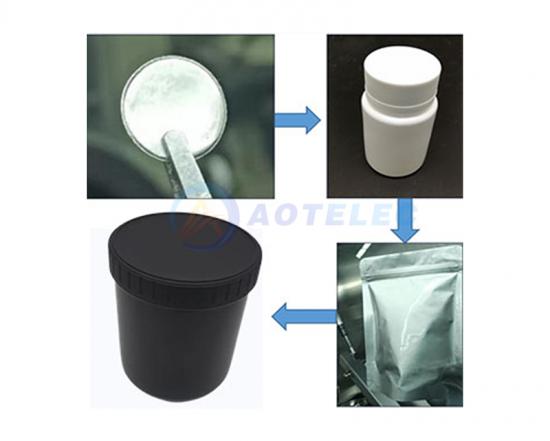
Sodium metal sheets must be stored sealed in kerosene or paraffin oil, kept in a cool, dry, dark, and well-ventilated environment with ambient temperatures below 25°C, away from water sources, acids, and oxidizers. Under standard sealed packaging, the shelf life can reach up to six months. For optimal performance, it is best to use them within 24 hours after opening to minimize oxidation and degradation.
(2) Why do some low-cost sodium metal sheets negatively affect battery test data?
Low-cost products are often made from recycled crude sodium, with purity around 99% and excessive impurities. Additionally, their cutting process is rudimentary, resulting in significant thickness variations and severe surface oxidation. This leads to unstable charge/discharge cycles and accelerated dendrite growth in batteries, directly causing inaccurate test data and shortened battery cycle life.
(3) Can sodium metal sheets replace sodium granules in large-scale chemical production?
It is not recommended. Sodium metal sheets are ideal for high-precision, small-batch experiments and fine synthesis applications. For large-scale, low-precision chemical processes, industrial-grade sodium granules or blocks offer better cost-effectiveness. Selecting appropriate materials based on specific needs helps balance cost and performance.
4. Key Criteria for Identifying High-Quality Sodium Metal Sheet Suppliers
The core standards for high-quality sodium metal sheets include purity, manufacturing process, quality control, and customization capabilities. Reputable suppliers should possess full qualifications for hazardous material production, packaging, and transportation, consistently delivering 99.9% pure products. They should support precision cutting to non-standard dimensions and provide each batch with purity test reports and safety documentation. Moreover, experienced suppliers typically use double-layer sealed oil-immersion packaging to prevent oxidation and moisture exposure during transit, ensuring stable product performance upon delivery and minimizing risks in both research and production.
In summary, Sodium Metal Chips, with their advantages in precision, high purity, and enhanced safety, have become an indispensable raw material in new energy research, precision chemistry, and advanced heat treatment. By accurately matching application requirements and selecting reliable suppliers, users can maximize product performance while reducing production and research costs.
Contact: Lika
Phone: +86-19906035385
Tel: 0086-592-7161550
Email: sales@aotbattery.com
Add: No.168, Zhaogang Road, Xiamen City, China
 1173116801
 sales@aotbattery.com