
Home > News
Introduction
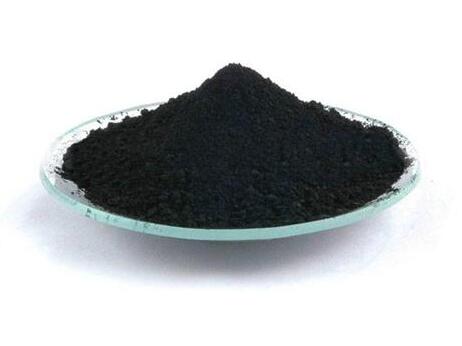
In the rapidly evolving landscape of energy storage technologies, the quest for high-performance, cost-effective electrode materials has never been more critical. Among the various innovations driving this field forward, the manganese dioxide (MnO₂) coated titanium foil electrode sheet has emerged as a compelling solution, particularly for aqueous zinc-ion batteries and supercapacitors.
This electrode configuration combines the pseudocapacitive prowess of MnO₂ with the exceptional stability and conductivity of a titanium foil current collector, creating a synergistic platform for next-generation electrochemical energy storage systems.
Why Manganese Dioxide?
Manganese dioxide has long been recognized as a promising electroactive material. Its appeal stems from several key attributes:
Low Cost: MnO₂ is abundant and inexpensive compared to many alternative cathode materials.
High Theoretical Capacitance: As a pseudocapacitive material, MnO₂ stores energy through fast and reversible Faradaic reactions at the electrode/electrolyte interface, offering significantly higher capacitance than conventional electric double-layer capacitors.
Environmental Friendliness: MnO₂ is non-toxic and poses minimal environmental hazards.
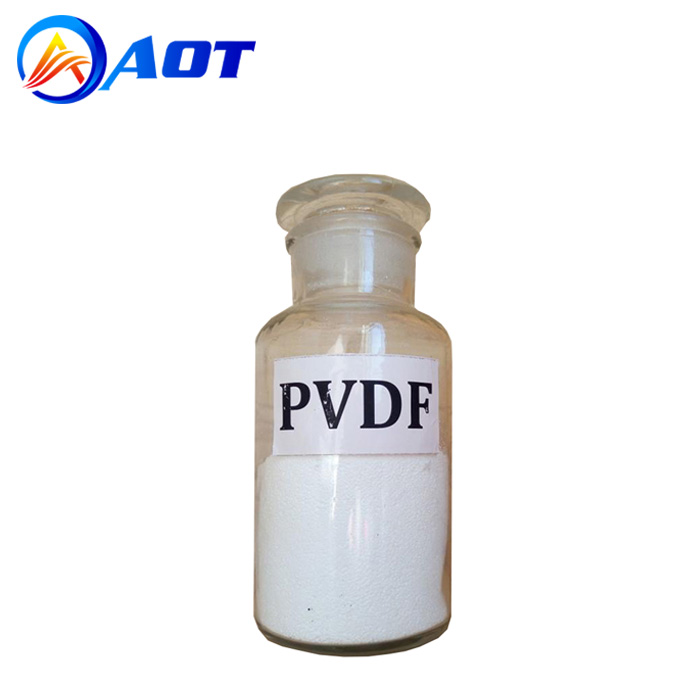
In practical applications, the γ-phase (gamma) MnO₂ is particularly favored for battery applications. Commercial electrode sheets typically feature γ-MnO₂ coatings with an active material proportion of approximately 80%, complemented by conductive additives likeSuper P and binders such as PVDF.
The Titanium Foil Advantage
While MnO₂ delivers the electrochemical performance, the choice of substrate is equally crucial. Titanium foil serves as an ideal current collector for several reasons:
Superior Conductivity: Titanium provides excellent electronic conduction pathways.
Excellent Corrosion Resistance: Titanium's native oxide layer offers robust protection against degradation in aggressive electrolyte environments.
Mechanical Flexibility: Thin titanium foil (typically ~100 μm thickness) provides mechanical integrity while remaining flexible enough for various cell configurations.
Stability: Titanium-based electrodes demonstrate long service life and stability in electrochemical applications.
Key Specifications and Configurations
MnO₂ coated titanium foil electrode sheets are available in several configurations to accommodate different research and application needs:
Single-Side vs. Double-Side Coating
Single-side coated sheets: Feature a coating area density of approximately 5.0 mg/cm² with a coating thickness of ~23 μm. These are ideal for applications where only one active surface is required.
Double-side coated sheets: Offer a coating area density of 10.0 mg/cm² with a coating thickness of ~46 μm, effectively doubling the active material loading per unit footprint.
Standard Dimensions
The most common commercial format measures 241 mm in length × 150 mm in width, with the coating area typically spanning 241 mm × 125 mm, leaving a 12.5 mm uncoated margin on each side for handling and electrical connection. Pre-cut disks (e.g., 15 mm diameter) are also available for coin cell testing.
Typical Performance Metrics
Parameter | Typical Value |
Compaction Density | 2.2 g/cm³ |
Specific Capacity | 150–165 mAh/g |
Voltage Range | 1.0–1.8 V |
Active Material Ratio | 80% (with 10% PVDF + 10% Super P) |
Applications
Aqueous Zinc-Ion Batteries
The primary application for MnO₂ coated titanium foil electrodes is as cathodes in aqueous zinc-ion battery research. Aqueous zinc-ion batteries offer compelling advantages over lithium-ion systems, including enhanced safety, lower cost, and environmental compatibility. The MnO₂ cathode undergoes reversible Zn²⁺ intercalation/deintercalation during charge-discharge cycles, making it a workhorse material in this emerging battery chemistry.
Supercapacitors
MnO₂ coated titanium electrodes also find application in pseudocapacitors and supercapacitors. Studies have demonstrated that MnO₂/TiO₂/Ti electrodes can achieve specific capacitances as high as 314 F/g—approximately 3.5 times that of TiO₂/Ti electrode materials. The nano-MnO₂ coating not only enhances capacitance but also significantly improves corrosion resistance.
Other Electrochemical Processes
Beyond energy storage, these electrodes are explored for electrocatalysis applications, including the hydrogen evolution reaction (HER), and as substitutes for expensive platinized titanium electrodes in various electrochemical processes.
Challenges and Considerations
Despite their many advantages, MnO₂ coated titanium electrodes are not without challenges:
Adhesion Issues: Extended use can lead to flaking and breakdown of the MnO₂ coating. Research suggests that intermediate layers, such as cobalt oxide, may be needed to improve adhesion.
Surface Preparation: The adhesion and stability of the coating are highly dependent on surface modification of the titanium substrate. Micro- and nanostructuring of the titanium surface can significantly enhance coating stability and electrocatalytic properties.
Handling Requirements: These electrodes require careful handling—they should be dried in a vacuum oven at 80–100°C before use and stored in a glovebox after opening to prevent moisture absorption.
Conclusion
Manganese dioxide coated titanium foil electrode sheets represent a mature and versatile platform for energy storage research and development. Their combination of high-performance MnO₂ electrochemistry with robust titanium current collectors makes them indispensable tools for advancing aqueous zinc-ion batteries, supercapacitors, and beyond.
As research continues to push the boundaries of energy storage performance, innovations in coating uniformity, adhesion enhancement, and nanostructuring will further elevate the capabilities of this already impressive electrode system. For researchers and engineers working at the forefront of electrochemical energy storage, MnO₂ coated titanium foil electrodes offer a reliable, high-performance foundation for discovery and innovation.
Contact: Lika
Phone: +86-19906035385
Tel: 0086-592-7161550
Email: sales@aotbattery.com
Add: No.168, Zhaogang Road, Xiamen City, China
 1173116801
 sales@aotbattery.com